Revolutionize Your Outdoor Setting: Professional Landscaping Guidance for an Exceptional Home Garden
Transforming an outdoor space into a beautiful residential landscape involves careful planning and thoughtful execution. By evaluating the unique characteristics of a yard, individuals can set clear landscaping goals. Selecting plants suited to the regional weather is essential. Additionally, adding practical hardscape features improves both aesthetics and usability. However, the journey doesn't stop there. Learning how to maintain beauty and ecological balance can enhance any garden to the greater heights. Which strategies will result in enduring achievement?
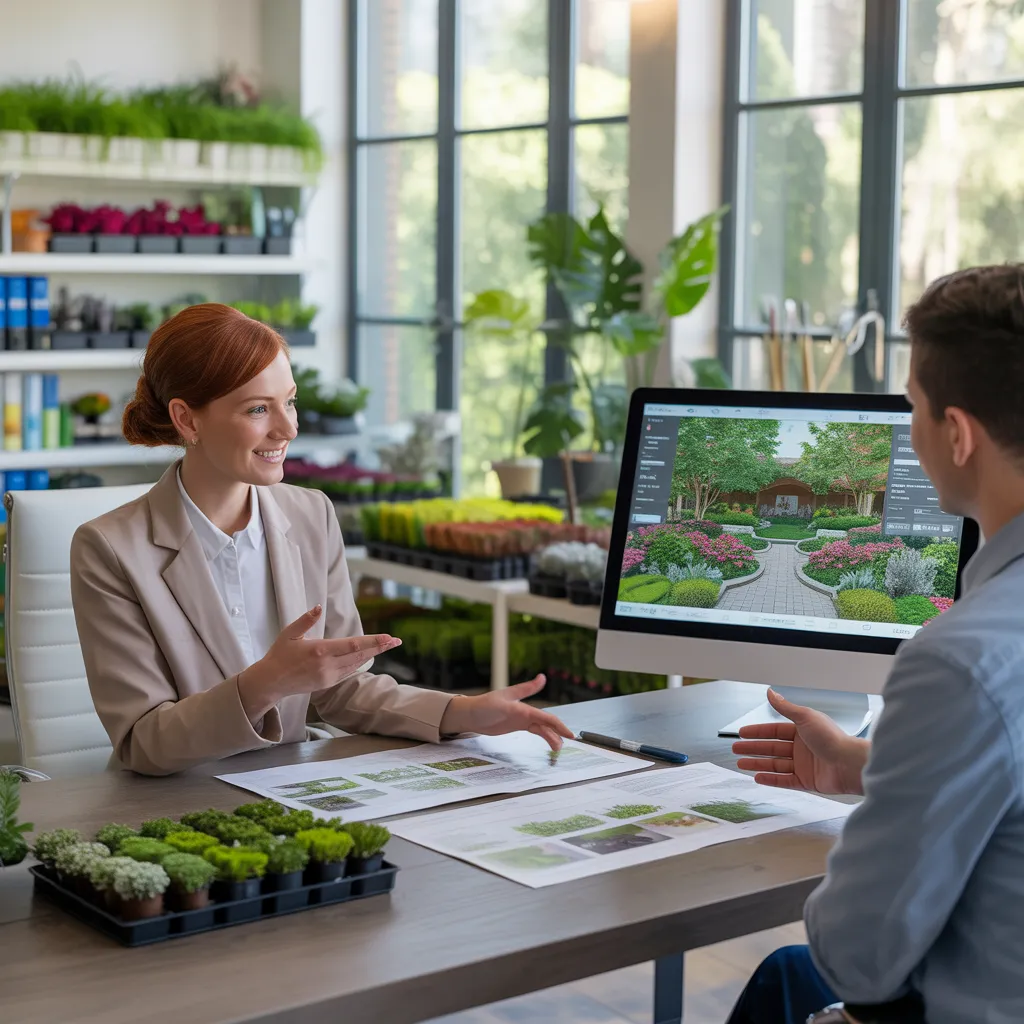
Analyze Your Yard to Set Your Landscape Design Goals
Before commencing any landscaping project, it is essential for homeowners to thoroughly evaluate their outdoor space. This preliminary assessment enables them to grasp the distinctive characteristics of their yard, encompassing sun conditions, ground quality, and current plants. Identifying these aspects helps in determining what types of design elements can be successfully integrated into the environment.
Homeowners should record dimensions and note any obstacles such as vegetation, barriers, or pathways that may affect the layout. Furthermore, understanding individual tastes and living requirements—including entertainment areas, plant cultivation, or leisure—can direct the landscaping goals. By specifically establishing these objectives, homeowners set a solid base for a cohesive and functional outdoor environment. This careful evaluation ultimately leads to a more rewarding and successful garden renovation, ensuring the outdoor space enhances not only the property's visual appeal but also fulfills the functional requirements of its inhabitants.
Choose the Right Vegetation for Your Regional Conditions
Determining ideal vegetation for a particular region is critical for creating a flourishing exterior environment. Grasping local weather patterns, such as heat levels, rainfall, and humidity, helps property owners choose vegetation that will thrive. Indigenous vegetation typically adjust best, needing less maintenance and water. As an example, drought-resistant varieties are ideal for dry climates, whereas water-preferring plants flourish in moisture-rich environments.
Gardeners should also take into account seasonal changes; choosing vegetation that offers continuous visual appeal improves the landscape. Early bloomers, warm-season vegetation, and vibrant fall foliage can create a striking visual display. Furthermore, speaking with neighborhood nurseries or extension services can provide helpful information into hardy plant varieties adapted for specific conditions.
Eventually, a well-planned vegetation arrangement not only enhances beauty but additionally promotes local wildlife and supports environmental sustainability, making it a wise choice for every outdoor space transformation.
Elevate Your Garden Through Useful Hardscape Additions
Functional hardscaping elements play an crucial role in shaping exterior areas and enhancing their usability. By incorporating seating areas and well-designed pathways, homeowners can create welcoming spaces that encourage relaxation and movement. Additionally, borders can help delineate different zones within the garden, creating organization and visual interest. components in defining outdoor spaces and boosting their practical value. By incorporating seating areas and well-designed pathways, homeowners can create appealing outdoor areas that encourage relaxation and movement. Additionally, edging can define different zones within the garden, establishing layout and visual interest.
Define Your Outdoor Space
Creating a strategically designed outdoor space can transform a garden into a welcoming retreat. One proven approach to achieve this is through functional hardscaping elements, which establish structure and visual order. Pathways made from brick or stone guide visitors while adding visual interest. Support walls can form layered heights, enhancing the garden's overall design and avoiding erosion. Barriers or screens can mark boundaries, providing privacy and a sense of enclosure. Adding elevated planting areas not only defines planting areas but also makes them more accessible. These elements work together to create distinct zones that enhance both aesthetics and functionality. Ultimately, a clearly structured outdoor space fosters a serene environment where homeowners can relax and enjoy nature.
Incorporate Sitting Areas
Incorporating seating areas into an outdoor space greatly enhances its usability and appeal. By incorporating practical hardscape features, homeowners can design welcoming areas for relaxation, socializing, or enjoying nature. Options include benches, patio sets, or hammocks, each contributing to the garden's aesthetic and pleasure. Deliberately positioning chairs near focal points, such as flower beds or water features, inspires visitors to interact with their outdoor setting. Additionally, using materials like stone or wood can complement the garden's design, creating design harmony. Covered areas, such as pergolas or umbrellas, deliver relief during warmer months, making these areas usable year-round. Ultimately, well-designed seating areas elevate a standard yard into a welcoming retreat for family and friends.
Design Pathways And Borders
Pathways and edges serve as essential elements in exterior landscaping, guiding visitors through the garden while enhancing its overall structure. They establish a feeling of order and movement, assisting in distinguishing various zones and plant arrangements. Materials such as stone, brick, or aggregate can be used to construct permanent routes, while natural borders made from vegetation or decorative screens can improve aesthetic value. Additionally, pathways can inspire investigation, drawing attention to focal points like flower beds or water features. Properly designed borders can also reduce weed invasion and landscape erosion, promoting garden wellness. Ultimately, integrating pathways and borders not only increases practicality but also enhances the stylistic elegance of the outdoor space, transforming it into a more attractive and delightful place.
Establish Flow With Walkways and Resting Places
A thoughtfully designed exterior area regularly showcases a cohesive circulation created through strategically arranged pathways and rest areas. Pathways lead people throughout the garden, developing a strong sense of navigation while improving the aesthetic appeal. Applying selections including gravel, stone, or wood can improve the path's beauty and support durability.
Seating zones supply stopping places, welcoming people to rest and savor the setting. Placing seating thoughtfully near key features, such as a pond or a garden bed, inspires connection with the landscape. The type of seating—stools, benches, or even recliners—may shape the feeling, whether it be informal or elegant.
Combining walkways and sitting spaces generates a warm environment, upgrading utility and contentment. In tandem, they construct a smooth flow between distinct areas of the garden, stimulating exploration and rest, ultimately reshaping any exterior setting into a calm escape.
Enhance Your Landscape With Seasonal Hues and Variety
To strengthen the visual attractiveness of a landscape, deliberate curation of seasonal plantings is essential. Blending diverse textural characteristics can introduce layers and fascination, meanwhile deliberately arranged focal areas can command views and forge a balanced plan. Each feature together ensure a vibrant and dynamic garden environment during the entire year.
Select Plants for Each Season with Care
Picking season-specific plants carefully can transform any garden into a vibrant tapestry of color and texture. By choosing plants that bloom at different times throughout the year, gardeners can ensure a perpetual floral display. Spring flowers, summer color plants, autumn bloomers, and winter foliage plants each contribute unique hues and forms to the landscape. It is essential to take into account area-specific climate and soil characteristics, as well as the plants' growth habits. Native species often flourish with reduced upkeep needs, promoting ecological diversity. Additionally, combining plants with varying heights and bloom times can produce a striking visual impact. Ultimately, thoughtful selection fosters a garden that evolves with the seasons, providing beautiful scenes every season.
Develop Texture Combinations To Create Visual Depth
Creating depth in a garden involves combining textures that support and improve seasonal hues. By incorporating a variety of plants with differing foliage shapes, sizes, and colors, one can achieve a visually dynamic landscape. For instance, the use of broad-leaved plants alongside fine-textured grasses can create contrast and intrigue. Additionally, integrating bark, stones, and other natural materials adds sensory touches that improve the complete landscape. Flowering plants need to be thoughtfully placed to provide bursts of color throughout the year, ensuring that each layer remains visually interesting. This careful design not only guides your gaze through the landscape but also fosters an immersive atmosphere where every detail contributes to the garden's beauty and harmony.
Establish Focal Points Deliberately
Intentionally placing visual centerpieces can markedly enhance a garden's aesthetic appeal and seasonal vibrancy. These focal points provide anchors that attract the gaze and foster landscape unity. Gardeners can utilize elements such find out about this as sculptures, ornamental trees, or vibrant flower beds to establish visual interest. Seasonal blooms can be infused through the careful selection of plants that bloom at different times, keeping the garden animated year-round. Textures also hold importance; blending flat stone surfaces with uneven bark or thick plant life establishes depth. By thoughtfully placing these elements, a gardener can build a friendly environment that sparks discovery and gratification, reshaping outdoor grounds into a fascinating hideaway.
Embrace Responsible Strategies to Establish a Vibrant Garden
Embracing eco-friendly practices is crucial for cultivating a vibrant garden that flourishes in harmony with the environment. Gardeners are encouraged to use native plants, which necessitate less moisture and care while helping area fauna. Implementing chemical-free approaches, such as organic waste management and chemical-free pest solutions, can considerably decrease synthetic chemicals, promoting a improved biological community.
Water-efficient methods, such as efficient water delivery and collecting rainwater, boost eco-friendliness by maximizing resource efficiency. Using mulch layers not only conserves moisture but also prevents unwanted plants, decreasing the requirement for chemical weed control. Additionally, promoting biodiversity by including diverse plant species fosters resistance to pest infestations plus infections.
Healthy soil is critical; practices such as sequential planting and cover cropping preserve nutrient levels minus artificial nutrients. By utilizing these eco-friendly approaches, growing enthusiasts can develop a flourishing space that nurtures plant life and environmental health, producing a more rewarding horticultural experience.
Address Common Issues to Preserve Continuous Garden Aesthetics
A well-kept landscaped area can encounter many obstacles across seasons, altering its overall appearance as well as condition. Typical problems consist of insect problems, lacking minerals, as well as inadequate water supply. Spotting pests in advance is vital; growing enthusiasts should consistently inspect leaves for signs of damage and manage pest problems using natural pesticides or instead adding helpful insects.
Lacking minerals commonly display as discolored leaves as well as slow growth. Performing soil assessments can assist pin down distinct needs, making possible for focused fertilization Nutrient shortages often display as yellowing leaves along with slow growth. Conducting soil tests can assist determine particular demands, allowing strategic fertilizer use restoring stability. Furthermore, ensuring appropriate watering is vital; too much water can cause rotted roots, while underwatering strains plants.
Seasonal changes also necessitate changes to upkeep. Throughout winter, applying mulch safeguards root systems from cold, whereas warm months can necessitate increased watering as well as shaded areas to protect sensitive plants. By addressing these frequent challenges promptly
Is it Better to Handle Garden Design Myself or Employ a Professional?
You can absolutely undertake landscaping projects solo, tapping into internet information and original ideas. Yet, bringing in a professional delivers expertise, efficiency, and improved output, particularly for complicated projects or bigger undertakings that need specialized skills.
What Essential Equipment Are Necessary for Residential Landscaping?
Essential implements for yard landscaping include a rake, garden shovel, spade, trimming shears, garden fork, and a hose or watering can. These tools enable efficiently maintain dirt, vegetation, and comprehensive garden care, ensuring effective landscaping.
What's the Optimal Way to Keep My Garden Area During the Year?
If you want to preserve a landscape across the seasons, consistently shaping vegetation is necessary, adding garden mulch for protection is vital, tracking hydration levels matters, and using seasonal planting methods is advisable. Furthermore, pest control and fertilization are essential for vibrant, healthy growth.